Kenton Station commercial cleaning for shops and offices case study
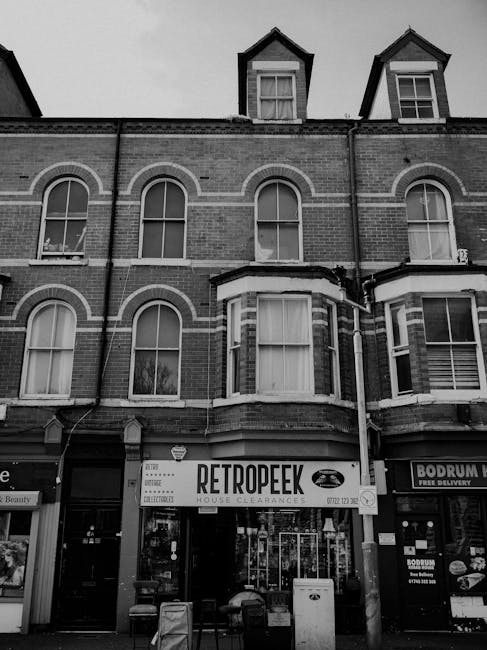
If you run a shop or office near Kenton Station, you already know how quickly a clean space can slip into looking tired. Footfall brings in grit, drinks spill near reception, chair legs mark carpets, and glass doors somehow collect fingerprints before the kettle has even boiled. This Kenton Station commercial cleaning for shops and offices case study looks at what matters most for local businesses: presentation, hygiene, reliability, and a cleaning plan that fits real trading hours rather than an ideal world.
In practice, commercial cleaning is not just about making things look nice for a day. It is about maintaining a space that feels professional, protects your flooring and soft furnishings, and supports a better customer or staff experience. Below, you will find a clear breakdown of how a shop-and-office clean is planned, what good looks like, where people usually go wrong, and how to judge whether a cleaning provider is actually right for your premises.
- Why this case study matters
- How the cleaning process works
- Key benefits and practical advantages
- Who this is for and when it makes sense
- Step-by-step guidance
- Expert tips for better results
- Common mistakes to avoid
- Tools, resources and recommendations
- Law, compliance, standards and best practice
- Options, methods and comparison table
- Case study or real-world example
- Practical checklist
- Frequently asked questions
Why Kenton Station commercial cleaning for shops and offices case study Matters
For businesses around a station, the cleaning brief is a bit different from a quiet back-street office. Customers come and go more often. Dust, road debris, rainwater, and general wear build up faster. One wet morning can leave a lobby looking dull, and by late afternoon the entrance mat has done its best but lost the battle. That is the reality.
A good commercial cleaning plan matters because first impressions happen in seconds. A clean shop tells customers you care about the details. A well-kept office does the same for staff, visitors, contractors, and anyone making a decision about whether to trust you. It is not vanity. It is part of operational quality.
There is also a practical angle that people sometimes miss. Regular cleaning can help reduce the rate at which carpets, upholstery, and hard surfaces deteriorate. Dirt is abrasive. If it sits in the pile of a commercial carpet near a doorway, it gets trodden in and grinds away at the fibres. You notice it later as flattening, staining, or that slightly grey look around walkways. Once that happens, restoration is harder. More expensive too, frankly.
For businesses that need regular support, it often makes sense to look at a broader service mix rather than a one-off tidy-up. A provider offering commercial carpet cleaning can usually align carpet care with other surface treatments so the whole site feels coherent, not patchy.
Expert summary: the best commercial cleaning near a station is not the fanciest cleaning; it is the cleaning that keeps pace with footfall, protects key surfaces, and avoids disrupting trading hours.
How Kenton Station commercial cleaning for shops and offices case study Works
Commercial cleaning for shops and offices is usually organised around use patterns rather than a generic timetable. In a retail unit, the busiest risk areas are entrances, tills, changing areas, customer seating, and staff rooms. In an office, the pressure points are reception, corridors, shared desks, meeting rooms, breakout spaces, and any upholstered furniture that gets regular contact. The work is mapped to those zones.
A sensible process normally starts with a walkthrough. That does not have to be dramatic. It is often just a straightforward conversation about flooring type, traffic levels, stains, sensitive areas, opening hours, and what needs the most attention. A decent cleaner will ask about things like fragrance sensitivity, access restrictions, alarm systems, and whether there are any items that should not be moved. You would hope so, anyway.
From there, the clean is planned around method and drying time. For example, a high-traffic carpet may benefit from hot-water extraction or steam-based treatment, while some delicate upholstery needs a more controlled approach. A shop with upholstered waiting benches may need stain attention and odour control. A small office with fabric chairs may need targeted spot cleaning as well as a wider refresh. Different surfaces, different choices.
Where relevant, services such as steam carpet cleaning, upholstery cleaning, and stain removal can be combined so the result feels properly finished rather than halfway there.
In a well-run job, the cleaner will also manage access and timing carefully. For a station-area business, early morning or after-hours slots are often the least disruptive. That matters because there is no point achieving excellent results if the shop cannot open on time. Convenience is part of the service, not an extra.
Key Benefits and Practical Advantages
The benefits of commercial cleaning in this setting are broader than a polished surface. Yes, the space looks better. But the real value sits in the day-to-day business outcomes.
- Better presentation: customers notice clean floors, fresh upholstery, and neat reception areas immediately.
- Improved staff morale: people work differently in a tidy environment. It feels calmer, less scruffy, and more professional.
- Longer life for surfaces: carpets and soft furnishings last longer when dirt and spills are dealt with properly.
- More predictable maintenance: regular care makes deep cleans less disruptive and often more effective.
- Reduced nuisance odours: especially useful in shops with food, fabric seating, pets, or high visitor traffic.
- Better hygiene perception: not a medical claim, just common sense. People trust clean spaces more.
There is also a financial logic. A recurring cleaning routine can help you avoid the cost and inconvenience of replacing carpets or upholstery prematurely. That is easy to overlook when budgets are tight, but truth be told, prevention is usually less painful than replacement.
If your site has mixed surfaces, it can help to think in layers. For instance, carpets may need maintenance through carpet cleaning, while waiting chairs or office sofas may need sofa cleaning or broader fabric care. The whole building feels more consistent when those layers are handled together.
| Area | Common issue | Useful cleaning approach | Business impact |
|---|---|---|---|
| Entrance and doorway | Grit, rain marks, heavy soiling | Targeted carpet or mat cleaning | Cleaner first impression |
| Reception | Fingerprints, dust, tired-looking upholstery | Surface refresh and upholstery care | More professional welcome |
| Meeting rooms | Chair marks, spills, stale odours | Spot treatment and fabric cleaning | Better client-facing environment |
| Retail floor space | Footfall wear, localised stains | Commercial carpet treatment | Improved sales-floor presentation |
| Staff areas | Food marks, clutter, lingering smells | Stain and odour attention | More comfortable day-to-day use |
Who This Is For and When It Makes Sense
This kind of service is a strong fit for shop owners, office managers, property managers, franchise operators, and anyone responsible for a business premises near Kenton Station. If you are juggling customer service, rota gaps, and supplier calls, the last thing you want is to think about whether the carpets still look acceptable. Let someone else handle that part.
It is especially useful when:
- your entrance gets heavy daily footfall
- you have customers waiting on upholstered seating
- your office hosts meetings or visiting clients
- spills, stains, or odours are becoming noticeable
- you want to refresh the premises before a busy trading period
- you are trying to extend the life of existing carpets or furniture
It also makes sense if your business is in a transitional phase. Maybe you have just taken on a new lease, or perhaps you are preparing for a rebrand. In those situations, a deep clean can give the whole site a reset without the disruption of larger works.
And sometimes the trigger is simple: a customer comment, a staff complaint, or that awkward moment when you catch the smell yourself after a rainy day. You know the one.
Step-by-Step Guidance
A good commercial clean follows a logical sequence. It is not glamorous, but it works.
- Assess the site. Walk through the premises and note the highest-traffic areas, stains, and any fragile surfaces.
- Agree priorities. Decide what must be cleaned first: reception, sales floor, office carpets, chairs, or specific problem spots.
- Check access and timing. Choose a slot that avoids disruption, ideally outside busy trading hours.
- Prepare the room. Move light items, protect sensitive equipment, and clear surfaces where needed.
- Choose the right method. Use carpet cleaning, steam cleaning, upholstery care, or spot treatment depending on the material and condition.
- Dry and ventilate. Allow suitable drying time and keep footfall off damp areas where possible.
- Inspect the result. Check edges, corners, and problem areas before the team leaves.
- Set the maintenance cycle. Decide whether the next visit should be monthly, quarterly, or seasonal.
A small but important point: the clean should be measured against the site's real use, not a showroom standard. A working office will never look untouched for long. That is normal. The goal is to keep it fresh, safe-looking, and easy to maintain.
If you need a practical starting point for service planning, the provider's pricing and quotes page is often the place where expectations get aligned before the job begins. That helps avoid surprises, which everybody appreciates.
Expert Tips for Better Results
Over the years, the best results have usually come from the simple things done well. Not flashy. Just disciplined.
- Treat the entrance as a priority zone. It does the most damage, so it deserves the most attention.
- Use the right product for the fibre. A fabric chair, wool carpet, and synthetic mat each need different handling.
- Act on spills quickly. The longer a stain sits, the more likely it is to bond with the material.
- Think about odour sources, not just surfaces. Carpets, upholstery, and waste areas can all contribute.
- Schedule cleanings around business rhythm. A Sunday evening clean may be better than a rushed weekday interruption.
- Keep a simple maintenance log. Even a basic note of problem areas helps with future visits.
One practical tip many busy managers appreciate: ask for a clearer plan for high-risk spots rather than a blanket promise to clean everything equally. The reception rug and front walkway may need more attention than the back office, and that is okay. It is about using effort sensibly.
If your site also uses curtains, blinds or soft partitions in client-facing rooms, the broader fabric refresh can include curtain cleaning or more general upholstery cleaning. Small details, but they change the overall feel of a room.
Common Mistakes to Avoid
There are a few recurring mistakes that show up in retail and office cleaning plans. They are easy to make, especially when everyone is busy.
- Choosing only on price. Cheap can be fine if the service is honest and suitable. It is not fine if corners are cut or the wrong method is used.
- Ignoring drying time. If people walk over damp carpet too soon, you can undo the work and create fresh marks.
- Cleaning too infrequently. Waiting until the space looks visibly tired usually means harder work later.
- Not telling the cleaner about known issues. Hidden stains, previous spot treatments, or sensitive areas matter.
- Using one method for everything. That rarely ends well. Hard surfaces, fibres, and furniture all behave differently.
- Overlooking odour causes. Masking a smell is not the same as dealing with it.
Sometimes the mistake is less technical and more organisational. The business assumes cleaning can be fitted in around everything else, then the appointment becomes rushed, access is awkward, and nobody has time to inspect the finish properly. Not ideal. Not even close.
If you are dealing with stubborn marks, it may be worth asking about focused pet stain odour removal where relevant, or dedicated stain removal for localised problem spots rather than pushing everything into a general clean.
Tools, Resources and Recommendations
You do not need to become a cleaning technician to manage commercial cleaning well, but it helps to understand the basic toolkit and why it matters.
- Inspection lighting: useful for seeing marks in corners, along skirting, and on pile carpet.
- Appropriate extraction equipment: helps lift soil from deeper within carpet fibres.
- Targeted upholstery tools: useful for chairs, benches, and reception seating.
- Microfibre cloths and safe spot treatments: help with detailed work and quick maintenance.
- Drying support and ventilation: important for reducing downtime after a clean.
- Simple documentation: a checklist, site notes, and before-and-after observations go a long way.
As a business owner or manager, you also want clarity around who is doing the work and how they operate. A company's about us page can tell you something useful about tone, experience, and service approach, while insurance and safety information gives you a better sense of professionalism. Boring? Maybe. Important? Absolutely.
For ongoing relationships, it is sensible to review terms and conditions and the health and safety policy before work starts. The unglamorous paperwork often tells you whether the service is organised enough for regular commercial work.
Law, Compliance, Standards, or Best Practice
Commercial cleaning touches practical compliance areas, even when the work itself is routine. In the UK, businesses are generally expected to manage premises safely, keep workspaces reasonably clean, and take sensible steps to reduce avoidable hazards. That includes slip risks from damp floors, trip hazards from equipment, and the handling of cleaning products.
For office and retail premises, best practice usually means:
- planning cleans to avoid unnecessary disruption
- using suitable products for the surface and the job
- keeping walkways clear while work is underway
- communicating any residual slip risk after cleaning
- ensuring people know which areas are temporarily out of use
It is also sensible to think about data protection and access control if cleaners enter office areas with documents, devices, or staff belongings. That is not just paperwork talk; it is part of being careful with a working environment. If a company is transparent about privacy policy, payment and security, and complaint handling through a clear complaints procedure, that usually signals a more mature service model.
On the sustainability side, some businesses now prefer cleaning approaches that reduce waste and support responsible disposal. If that matters to your brand or landlord expectations, you may also want to review a provider's recycling and sustainability approach. Small thing, maybe, but it can fit neatly with the values a modern business wants to show.
Options, Methods, or Comparison Table
Different sites need different methods. A small office with light footfall will not need the same treatment as a busy shop facing the station. Here is a straightforward comparison that can help with decision-making.
| Method | Best for | Strengths | Things to watch |
|---|---|---|---|
| General maintenance clean | Light upkeep between deeper visits | Quick, low disruption, useful for routine care | May not remove embedded soil or old staining |
| Commercial carpet cleaning | Sales floors, corridors, entrances, office carpets | Improves appearance and removes deeper dirt | Needs drying time and proper planning |
| Steam-based treatment | Soiled carpets and some hard-wearing textile areas | Strong for deeper refresh and sanitised feel | Not suitable for every fabric or finish |
| Upholstery cleaning | Chairs, benches, waiting areas, office sofas | Improves comfort and presentation | Requires careful fabric matching |
| Targeted stain treatment | Localised spills and visible marks | Efficient and often cost-effective | Older stains may not fully lift |
For many businesses, the best answer is not a single method. It is a mixed plan. A shop floor may need one approach, while the office chairs and reception rug need another. That is completely normal. In fact, it is usually the smarter choice.
Case Study or Real-World Example
Here is a realistic example based on a typical Kenton Station business scenario.
A small professional office and customer-facing shop shared a premises not far from the station. The manager had noticed three issues. First, the entrance carpet was darkening faster than the rest of the floor. Second, the waiting area bench fabric had picked up patchy marks from coats, bags, and the odd takeaway coffee. Third, the office kitchen area had developed a faint stale smell after several rainy weeks and a busy winter.
The solution was not to shut the place down for a dramatic deep clean. That would have been overkill. Instead, the site was assessed in zones. The entrance and main walk paths were prioritised for commercial carpet treatment, the upholstered seating was cleaned separately, and the worst visible stains were treated before the main clean. A steam-based approach was used where the fabric and carpet condition allowed it, and the team planned the visit after trading hours so staff could return to a fresh space the next morning.
What changed? The main benefit was visual, yes, but the manager also noticed something else: the business felt easier to run. Staff were less embarrassed about the client-facing spaces, and the room no longer had that slightly damp, closed-up feel that tends to creep in during the colder months. The office did not become perfect. Of course not. But it became easier to keep on top of, which is the real win.
That is the part people sometimes miss. A good clean should make maintenance simpler afterwards, not just prettier for one afternoon.
Practical Checklist
Use this quick checklist before booking or reviewing a commercial clean for shops and offices near Kenton Station.
- Have you identified the highest-traffic areas?
- Do you know which surfaces need carpet, upholstery, or stain treatment?
- Have you checked the best time for access and drying?
- Are there any sensitive materials, electronics, or confidential areas to protect?
- Have staff been told which areas will be temporarily unavailable?
- Do you know what result would count as success for your site?
- Have you asked about aftercare and re-soiling prevention?
- Is there a plan for repeat maintenance rather than one-off rescue cleaning?
If you can tick most of those off, you are in a much better position already. A little preparation goes a long way.
Conclusion
Kenton Station businesses do not need flashy cleaning promises. They need steady, reliable, well-planned work that keeps shop and office spaces presentable, safe-looking, and easier to maintain. That is the heart of this Kenton Station commercial cleaning for shops and offices case study.
The main lesson is simple: plan around footfall, choose methods that suit the materials, and treat the entrance, reception, and client-facing areas as priority zones. Do that, and cleaning becomes less of a scramble and more of a sensible part of operations. Much better all round.
If you are reviewing a provider, look for practical detail, clear communication, and a genuine understanding of commercial premises. That tells you more than a shiny sales pitch ever will. And honestly, a calm, tidy business feels good to walk into - for staff, for customers, and for you.
Get a free quote today and see how much you can save.
Frequently Asked Questions
What does commercial cleaning for shops and offices near Kenton Station usually include?
It usually includes floor care, carpet and upholstery cleaning where needed, stain treatment, and a targeted approach to high-traffic areas such as entrances, reception spaces, meeting rooms, and customer seating.
How often should a shop or office be professionally cleaned?
That depends on footfall, flooring type, and how client-facing the space is. Some sites need monthly attention, while others do well with quarterly deep cleans plus lighter maintenance in between.
Is steam cleaning safe for all commercial carpets?
Not always. Steam-based methods can be very effective, but fabric type, backing, age, and prior treatment all matter. A proper assessment should come first so the method suits the carpet.
Will commercial cleaning disrupt trading hours?
It does not have to. Many businesses arrange early morning, evening, or weekend visits to reduce disruption. Good planning matters more than the clock itself.
What is the difference between regular cleaning and deep cleaning?
Regular cleaning keeps the space presentable day to day. Deep cleaning reaches further into fibres and problem areas, lifting embedded soil and tackling stains that routine upkeep will not fully address.
Can office chairs and waiting-area furniture be cleaned too?
Yes, in many cases. Upholstered chairs, benches, and sofas can often be cleaned as part of a broader commercial service, provided the fabric and condition are suitable.
How do I know whether a stain can be removed?
It depends on what caused the stain, how long it has been there, and the material it sits on. Fresh spills are usually easier. Older marks may lighten rather than disappear completely.
Should I ask for insurance and safety information before booking?
Yes, absolutely. For commercial premises, it is sensible to check a provider's insurance and safety approach before any work starts. It gives you confidence that the service is being handled properly.
What should I prepare before a cleaner arrives?
Clear access routes, identify sensitive areas, move small loose items where possible, and flag any stains or surfaces that need special attention. A short briefing at the start helps a lot.
Is commercial cleaning worth it for a small office?
Often, yes. Small offices can look tired quickly because every mark is visible. Regular cleaning helps keep the space professional and can make the environment more comfortable for staff and visitors.
Can commercial cleaning help with lingering smells?
It can, especially where the source is in carpets, upholstery, or soft furnishings. A proper clean may reduce or remove the cause of odours rather than simply masking them.
How do I choose the right cleaning provider?
Look for a provider that asks practical questions, explains methods clearly, and offers relevant support for carpets, upholstery, stain treatment, and scheduling. Clear policies and straightforward communication are a very good sign.